


MAY INCREASE THE RISK OF HEART ATTACK WITH PROLONGED EXPOSURE TO HEAT
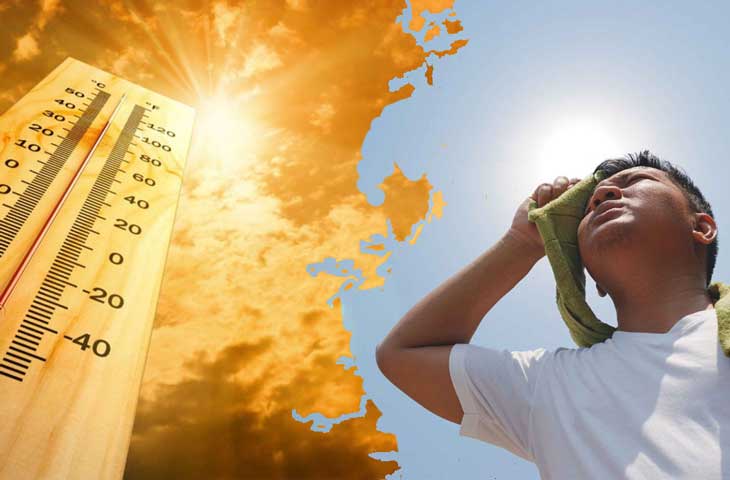
High temperatures cause more blood to flow to the skin, and the heart beats faster because high temperatures and high humidity increase blood flow to the skin. The heart has to work harder to maintain body temperature at a normal level, causing excessive stress, and can even lead to heart attacks…
1. How does hot weather harm the heart?

High temperatures cause more blood to flow to the skin, which in turn makes the heart beat faster, with blood flow doubling per minute compared to a normal day.
Heat and sweating also contribute to a decrease in body fluids, reducing blood flow, leading to dehydration, hindering the body's ability to cool itself, and putting stress on the heart.
When more water is lost than is replenished, the body lacks sufficient water and fluids to perform its normal functions.
Furthermore, exposure to high temperatures can increase dehydration, impair blood circulation, and thicken the blood, making it more difficult for the heart to pump blood efficiently. If left untreated, this can worsen the risk of cardiovascular events (heart attack, stroke, and heart failure), especially in older adults and those with underlying health conditions.
2. People at high risk of being affected by heatwaves.

Elderly people
There are problems with the heart, lungs, and kidneys.
Currently using diuretics, sedatives, or blood pressure medication.
Are following a low-salt or low-sodium diet.
Having diseases that reduce blood flow to organs such as the brain, kidneys, and heart...
3. Tips for keeping your heart healthy during hot weather.

It's important to drink enough water.
Avoid direct sunlight, do light work in cool, well-ventilated areas, and exercise moderately.
Avoid the midday heat.
Apply sunscreen and wear a hat when going outside.
Divide your meals into several small portions throughout the day.
A healthy diet rich in fruits and vegetables, supplemented with vitamins and minerals, and including nuts.
Regular health check-ups.
People with a history of hypertension should monitor their blood pressure during hot weather.
If you experience any warning signs that your body isn't adjusting to the hot temperature, you should see a doctor immediately.